Why Owned Media Should Be a Core Part of Your PR Strategy
In today’s ever-evolving communications landscape, one trend is impossible to ignore: the rise of owned media. More and more organizations—nonprofits, companies, and personal brands alike—are investing in their own platforms, from podcasts and blogs to newsletters and YouTube channels. And honestly? It makes sense.
We’ve reached a point where relying solely on traditional media or paid advertising no longer gives you the reach, control, or depth you need to build long-term relationships with your audience. Owned media channels give you all of that—and more.
Here’s why I believe owned media deserves a central place in every modern PR strategy.
You Control the Story
First and foremost, owned media puts you in charge of your narrative. You’re not waiting for a reporter to pick up your story or hoping your quote makes it into the final cut. You decide what gets shared, how it’s framed, and when it goes live. That level of control is incredibly valuable—especially in moments when timing or tone is critical. You can be proactive instead of reactive. And in PR, that’s a huge advantage.
It Builds a Direct Line to Your Audience
One of the biggest benefits of owned media is the ability to speak directly to your audience—without a middleman. Whether it’s a monthly newsletter, a blog post that dives deep into your latest initiative, or a podcast episode featuring your executive director, these channels let you have a conversation that feels more personal, more intentional, and more authentic.
That kind of direct engagement fosters trust. It also allows for consistency, which is essential when you’re trying to reinforce your mission, build thought leadership, or deepen supporter relationships.
Podcasts Offer Unique Storytelling Power
Of all the owned media formats gaining traction right now, podcasts stand out—and not just because of their growing listener base (which, by the way, is expected to top 500 million globally this year). Podcasts give organizations a chance to go deep. Instead of trying to squeeze your message into a 30-second soundbite, you get to tell a fuller story. You can explore nuance, interview stakeholders, spotlight impact, and highlight real voices from your community—all while building familiarity and connection with your audience over time.
I’ve seen firsthand how podcasting can elevate a nonprofit’s visibility and reputation. It’s not about going viral—it’s about building a loyal listener base that trusts your voice.
Blogs and Newsletters Still Matter—A Lot
While social media may dominate the attention economy, don’t underestimate the power of a well-written blog post or email newsletter. These owned media staples are still highly effective tools for sharing updates, promoting events, highlighting impact, and educating your audience.
Blogs help with search engine visibility (hello, SEO!) and provide a content library you can repurpose across other platforms. Newsletters, on the other hand, give you access to one of the most valuable assets in digital communication: the inbox. When someone subscribes to your email list, they’re saying, “Yes, I want to hear from you.” That’s an invitation you should treat with care—and use strategically.
Owned Media Complements Traditional PR
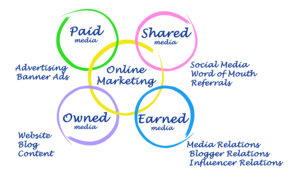
Let’s be clear: this isn’t an either/or conversation. Traditional earned media still plays a critical role in PR—especially for credibility and broad exposure. But owned media lets you fill in the gaps, reinforce your message, and keep the conversation going long after the headlines fade. The two should work hand-in-hand. A media hit in a local newspaper? Share the story on your blog with added commentary. An upcoming campaign? Tease it on your podcast. A press release? Highlight key points in your newsletter and expand the story on social.
Final Thought: Think Like a Publisher
If there’s one mindset shift I encourage clients to adopt, it’s this: start thinking like a media company. You have the tools to create content, shape narratives, and connect with your audience directly. Don’t wait for permission—own your message.
Owned media isn’t just a trend. It’s a long-term investment in your voice, your mission, and your ability to lead the conversation. And in today’s noisy world, that kind of control is more powerful than ever.